

Threat landscape
HTTP2Shell: the Brotli flaw reaches far beyond Node.js
HTTP2Shell is not a new flaw but CVE-2026-111497 in any software with a Brotli decoder. Who is affected, and why the version number misleads.
- 5 min read
Insights
Current attacks put into context, guides for decision makers and what is new in the platform.
Our articles are published in German first. English translations follow for selected posts.
HTTP2Shell is not a new flaw but CVE-2026-111497 in any software with a Brotli decoder. Who is affected, and why the version number misleads.

Node2Shell exploits a flaw in the Brotli decoder that Node.js bundles. The fix ships in Node 22.23.4, 24.22.1 and 26.12.1 – and in Brotli itself.
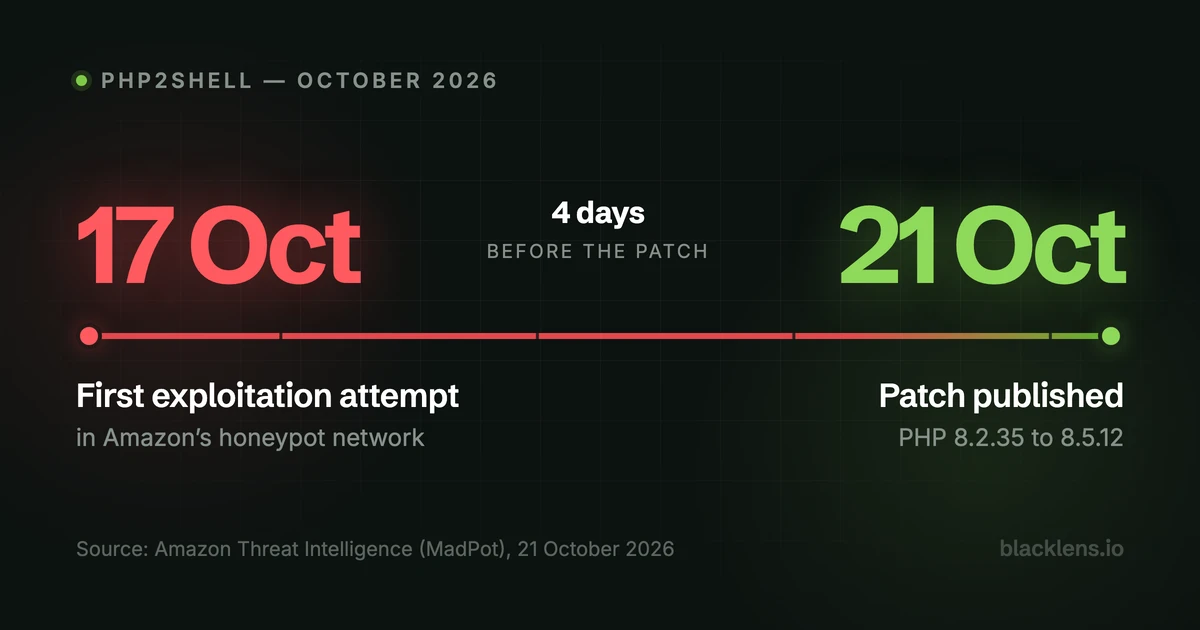
Amazon found the first PHP2Shell exploitation attempt on 17 October 2026, four days before disclosure. That changes the window your investigation must cover.
Fortinet shipped critical fixes for FortiOS, FortiManager and FortiAnalyzer on 22 October 2026. The advisories with CVE ids only follow on 10 November.
PHP released patches for two critical RCE flaws on 21 October 2026. The cause sits in the PHP core, not in session upload progress.
With REA, AI agents take apart apps, binaries and firmware without source code. Which keys, interfaces and flaws that exposes, and what helps.

Two zero-days in Citrix NetScaler ADC and Gateway are under active exploitation: which builds are affected and what to do before and after updating.
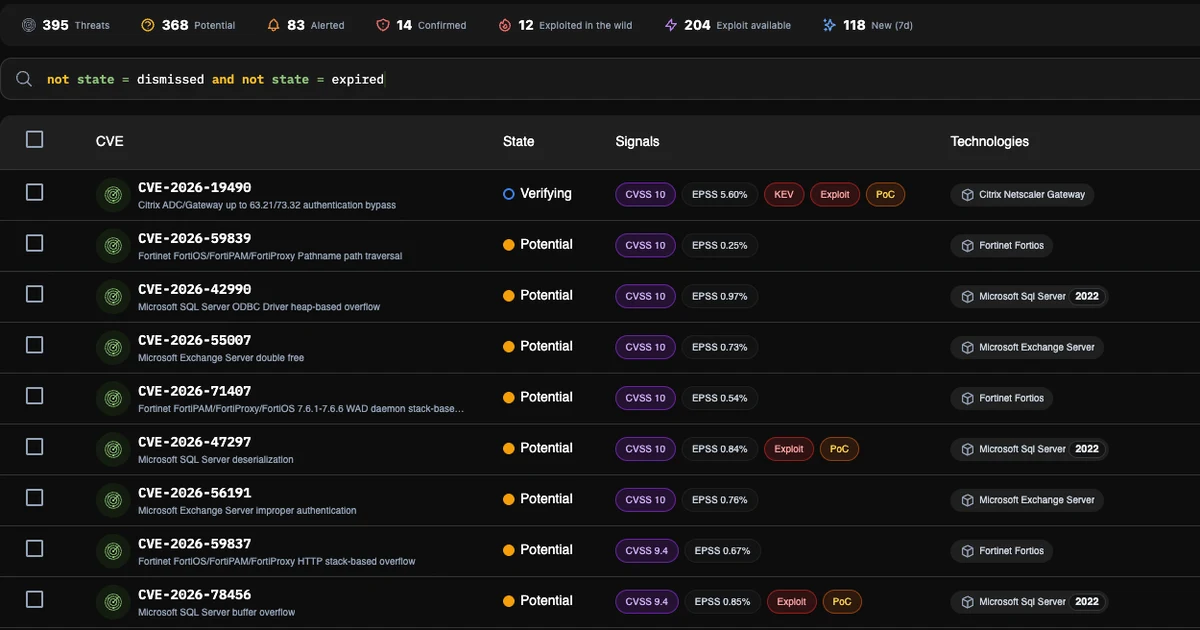
The blacklens.io Threat Center is your early warning system for new vulnerabilities: it shows which CVEs affect your systems and confirms it by scan.

Austria's NISG 2026 enters into force on 1 October. Which deadlines apply for registration and self-declaration, and what evidence you need to produce them.
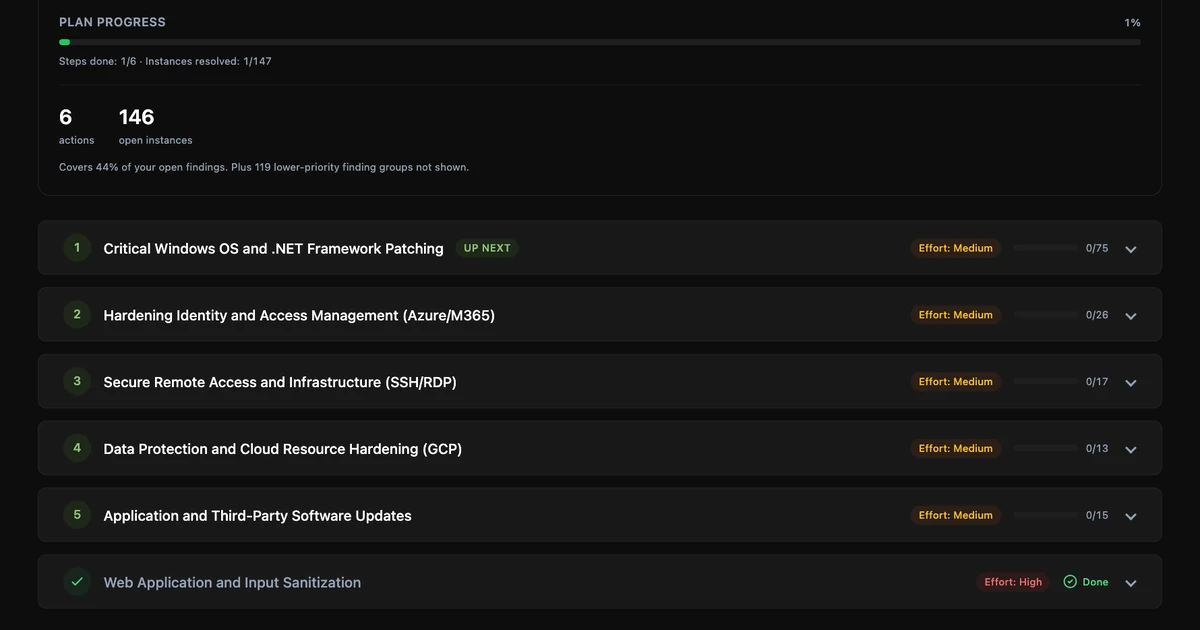
Vulnerability prioritisation with blacklens.io: the Remediation Plan groups open findings by fix, ranks them by risk reduction and explains every choice.
In FortiBleed, attackers hijacked tens of thousands of FortiGate firewalls with leaked credentials and used them to harvest further credentials.

Initial Access Brokers sell access to corporate networks on the dark web to ransomware groups. How this market works and what a listing reveals.

Claude Mythos finds vulnerabilities faster than patches can ship. Why current visibility of exposed systems now decides how much risk you carry.

How CISOs measure the ROI of security investments with metrics such as MTTD, MTTR and loss avoidance, and explain it to management in business terms.

The European Commission has confirmed a cloud breach at Europa.eu. ShinyHunters claims to have stolen over 350 GB, allegedly including DKIM signing keys.
A CORS flaw in the Azure Application Routing add-on for AKS accepts malicious origins when they appear before an allowed value in the Origin header.
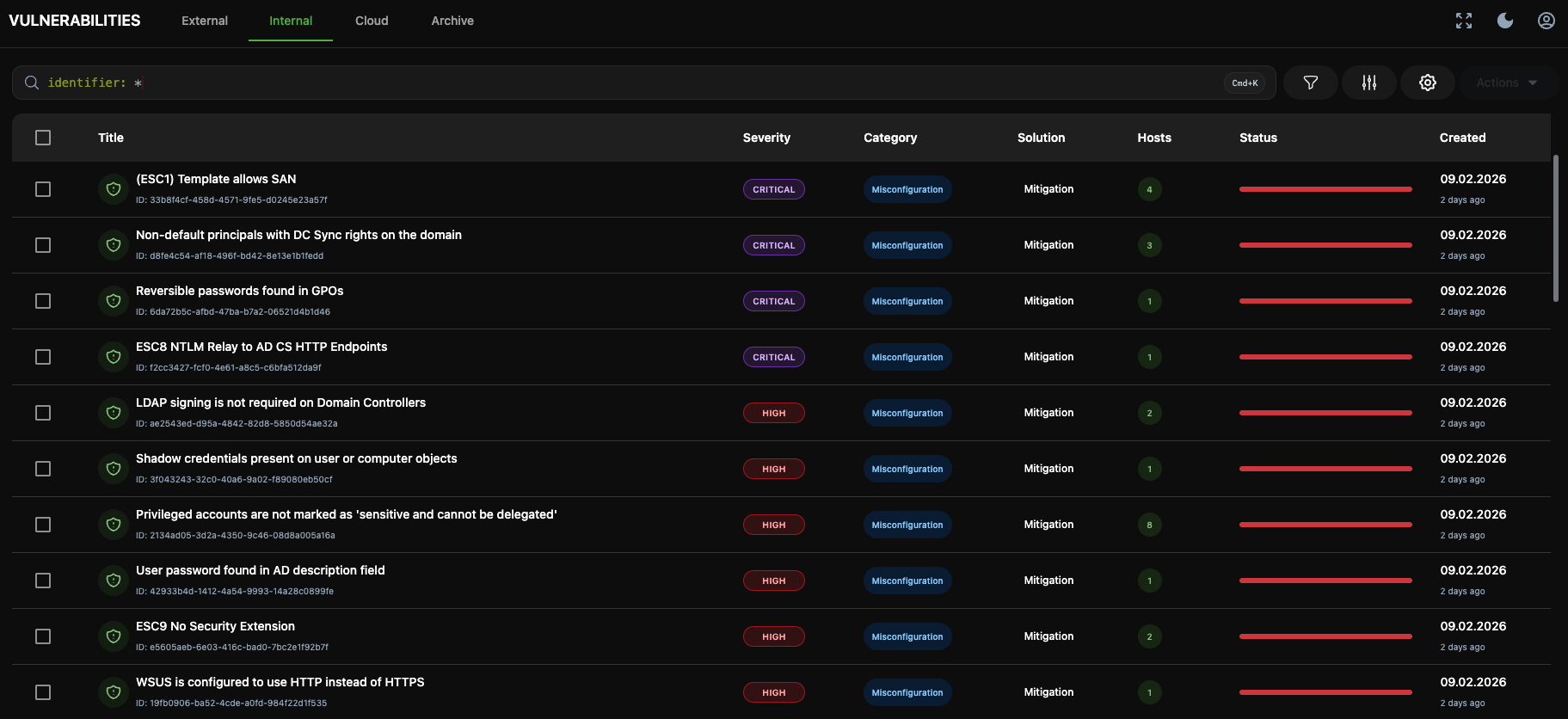
The blacklens.io February release adds Active Directory scanning to Sentry, Cloudflare and Hetzner Cloud connectors and four new tool integrations.
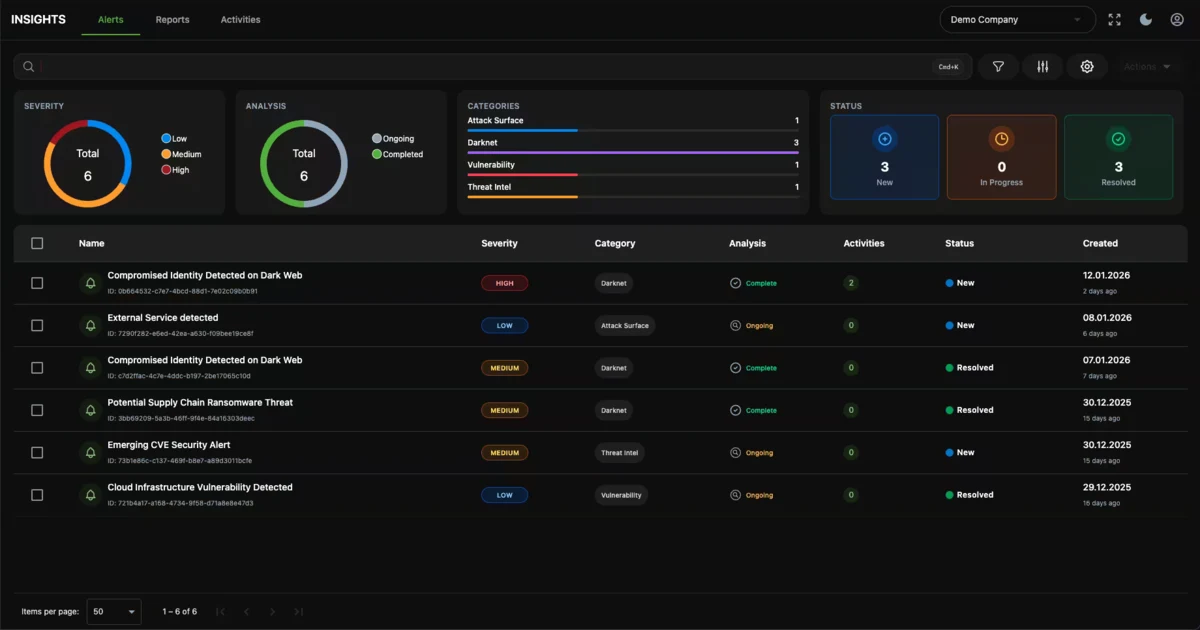
The new blacklens.io alert engine prioritises alerts across their whole lifecycle and turns them into shared team work, alongside a redesigned dashboard.

Dark Web Monitoring shows which stolen credentials and identities of your company are traded on darknet black markets before attackers can put them to use.

The Cisco zero-day CVE-2025-20393 in AsyncOS turns email security appliances into an entry point: attackers run code as root without authenticating.
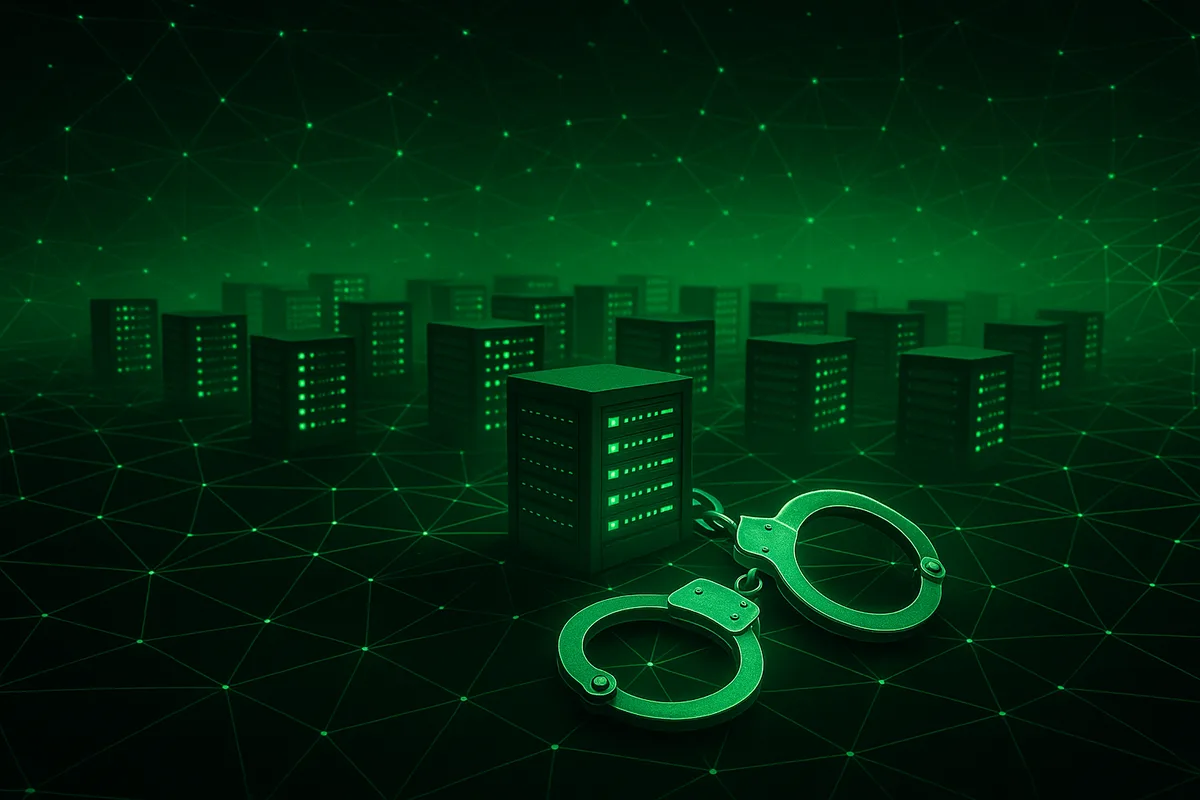
Operation Endgame took down more than 1,025 Rhadamanthys, VenomRAT and Elysium servers in November 2025. Why stolen credentials are still in circulation.
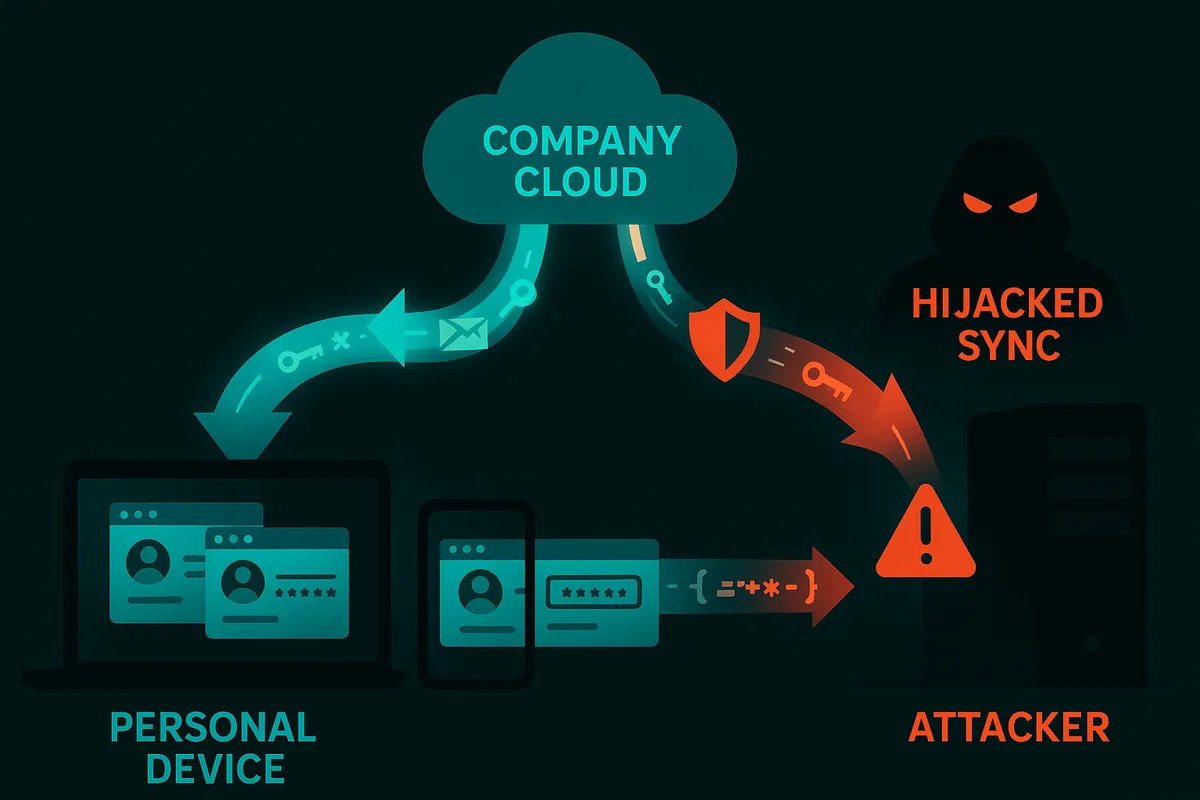
Browser sync carries company passwords, cookies and sessions onto personal devices, where infostealers harvest them. Here is how companies close the gap.
Pentest or bug bounty? Why structured penetration tests deliver the predictability, solid evidence and compliance that bug bounty programmes cannot.
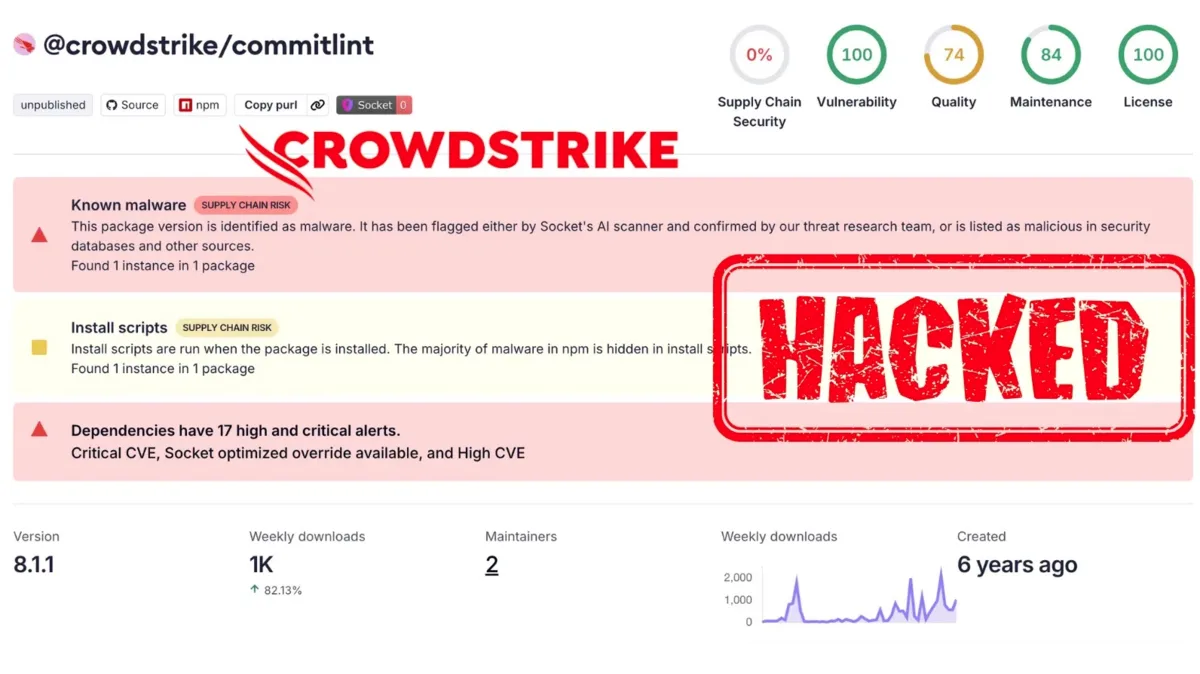
Compromised CrowdStrike npm packages ship a malicious bundle.js that steals secrets and uses GitHub Actions to gain a lasting foothold in repositories.
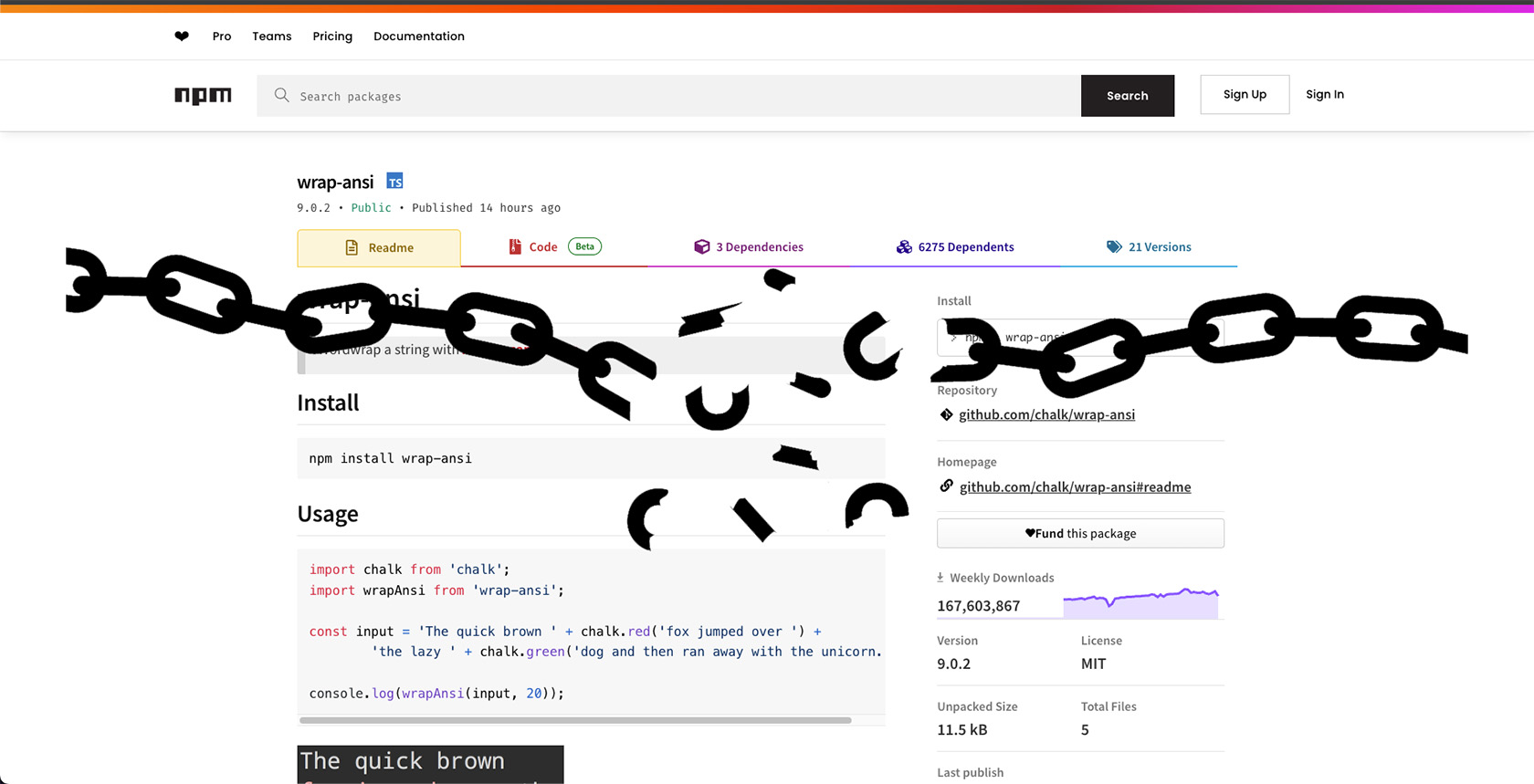
The biggest attack on the npm supply chain hit chalk, debug and other packages with over 2 billion weekly downloads. Here is how to check if you are affected.

Unified cloud vulnerability scanning checks AWS, Azure, Google Cloud and Entra ID in one place and produces the evidence that NIS2 requires.
A cyber insurance checklist: which security requirements insurers check before granting cover and which questions you should ask your insurer.

Protecting cloud infrastructure: how to connect Azure, AWS and Google Cloud to blacklens.io, detect misconfigurations and check new resources automatically.

Pentesting as a Service (PTaaS) turns penetration testing into an ongoing service. The advantages over traditional, project-based pentests at a glance.

Ransom threats in the supply chain: blacklens.io monitors the domains of your suppliers and service providers for ransomware threats and warns you early.
The Blacklens Query Language (BQL) filters every table view in blacklens.io by query, with autocomplete as you type and a query builder that needs no syntax.
Consent phishing uses OAuth consent to gain access to mailboxes and data without asking for a password, sidestepping password changes and two-factor login.

Internal vulnerability scanning has to cover switches, printers and IoT devices as well as servers, because these devices are often the overlooked entry points.

blacklens.io Dark Web Monitoring detects stolen session cookies, assesses them with AI and automatically assigns leaks to employees or customers.
The free exposure check shows within seconds which systems and dark web traces of your company are publicly visible.